If you’ve ever looked at your medication and thought, “I wish I didn’t need this”
I want you to know I hear you, and you’re not alone. I have that conversation several times a week, and I understand that feeling personally, too.
As a registered nurse, I know that medications can be incredibly helpful but can also have side effects. I’ve helped people reduce - and sometimes even eliminate - medications when the time was right for them, and I’ve watched those moments become genuinely life-changing. Sometimes that happens through improving habits and lifestyle. As a cannabis nurse, I’ve also seen plant medicine and supplements help.
So when I say what I’m about to say, I hope you’ll receive it in the spirit it’s intended. It's not meant to be controversial, but as a conversation between people who care about the same thing: your well-being.
So many people I talk with have stopped fully trusting pharmaceutical medications, and honestly, I understand why.
Over the years, we’ve all seen medications celebrated as breakthroughs, prescribed widely, and later reevaluated when long-term concerns surfaced that clinical trials didn’t fully capture. It doesn’t happen often, but it happens enough that many people now approach healthcare with more caution and more questions.
That caution makes sense.
What I’m noticing, though, is that the same thoughtful people questioning prescriptions are often turning to supplements, herbal remedies, and “all-natural” products with tremendous trust, sometimes more than they’ve ever given medications.
Here’s something that surprises some people:
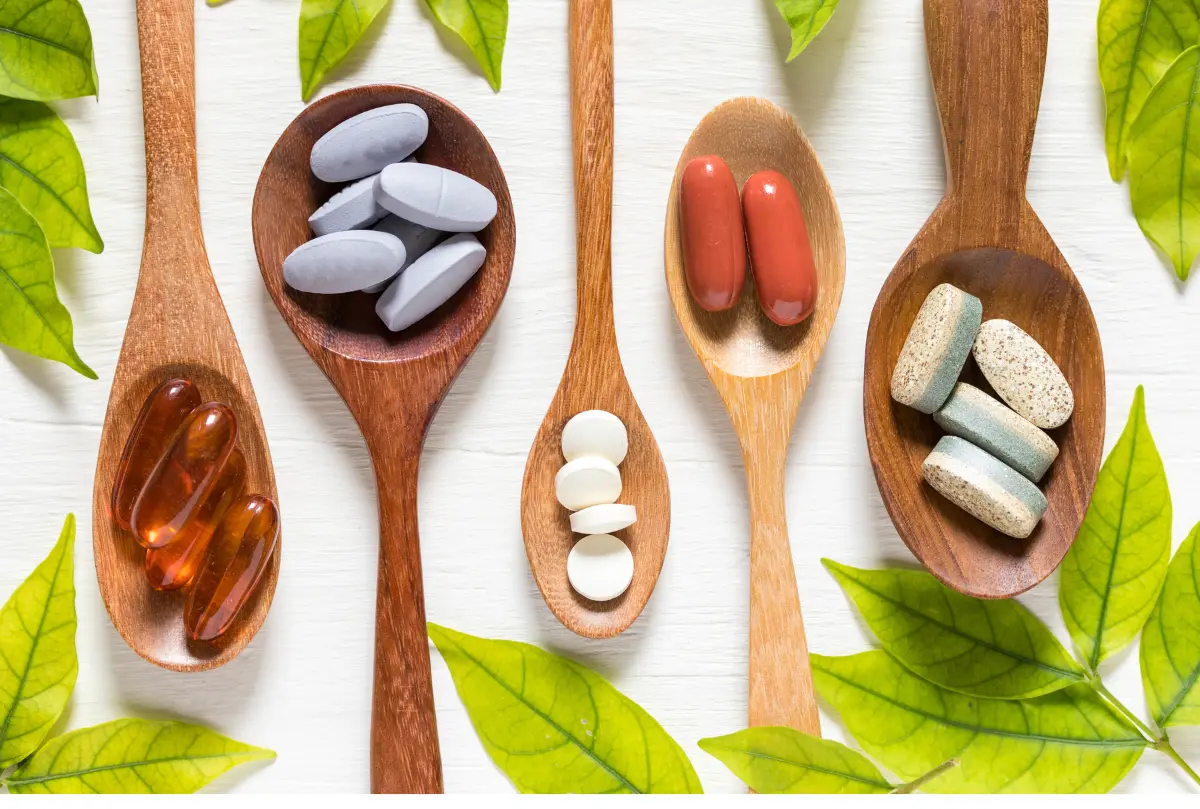
The FDA does not evaluate most dietary supplements for safety or effectiveness before they reach store shelves. Prescription medications typically go through years of clinical trials before approval. Most supplements don't go through that same level of testing.
That doesn’t automatically make supplements harmful. It just means we’re often working with far less information.
While we’re having this conversation, there are two words I think deserve a closer look: bioidentical and natural.
You’ve probably seen them everywhere. They sound reassuring, like something gentle, familiar, and fully aligned with the body. Sometimes that’s true. But “bioidentical” refers to the molecular structure of a compound, not necessarily how it was made.
Many bioidentical products begin with plant sources like soy or wild yam, but go through significant laboratory processing before becoming the final product. That doesn’t automatically make them unsafe, but it also doesn’t automatically make them safer simply because they’re marketed as natural.
What this means in practice is that someone may avoid a well-studied medication because it feels “synthetic,” while taking a supplement that is also processed or synthesized, just with far less safety data available.
That nuance often gets lost in marketing, and I think people deserve to understand it.
None of this means supplements are bad. As a cannabis nurse, I’ve seen plant medicine support healing in ways that deeply moved me, enough that I felt called to learn more. Supplements and herbal therapies absolutely have a place.
What I’m advocating for is bringing the same curiosity and critical thinking to everything we put into our bodies, not just prescription bottles.
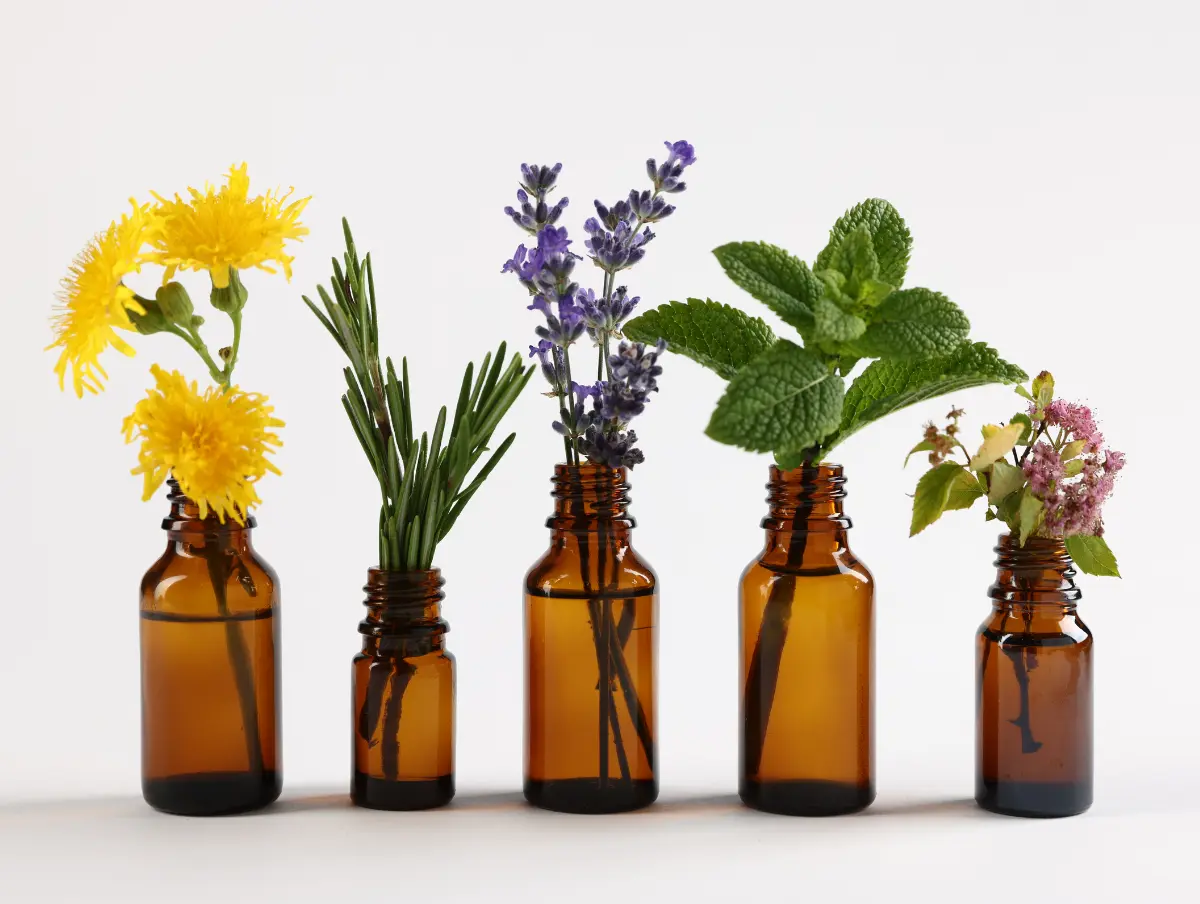
Some of the most unexpected health issues I’ve seen weren’t caused by medications alone. They happened when medications and supplements were combined, and nobody knew to look for the interaction because the supplements were never mentioned.
Things like St. John’s Wort affecting antidepressants or birth control, High-dose fish oil increasing bleeding risk, and Herbal products placing stress on the liver.
None of these are inherently “bad,” but they matter. Since many people assume supplements are safe, they often don’t think to mention them to their healthcare team.
For the health coaches in this community: many of your clients are coming to you carrying real distrust of the medical system, and often with decisions already in motion about medications or supplements. You may be one of the most trusted people in their health journey right now. That’s powerful! You have the opportunity to say: “I’m glad you’re asking questions. Let’s make sure you have the fullest picture possible before making decisions.”
Reducing medication use can be a legitimate and achievable goal. Wanting to explore plant medicine and more natural approaches is wise, not naive. Questioning the pharmaceutical industry is healthy.
All of that can be true at the same time.
What I hope to add is one more layer of curiosity, one that looks just as carefully at the supplement aisle as it does at the pharmacy counter.
A few things I hope you carry with you:
- Ask the same questions of everything. Has this been studied? Are there known interactions? What do we actually know about long-term use?
- Share the full picture with your care team. Supplements matter. Cannabis matters. Even large amounts of certain herbal teas can matter.
- Trust yourself, and keep learning. Wanting agency over your health is good. In fact, it’s one of the most important parts of healing. It just becomes even more powerful when paired with good information.
What I know for certain, neither side has all the answers. The goal has never been to “pick a team.” The goal is to stay curious, stay informed, and keep asking thoughtful questions, even when the answers are complicated.
You’re already doing that by being here.
And that matters.
Ready to Schedule a 1:1 with me

Cheri Sacks, R.N., C.D.C.E.S.
Cheri Sacks, "Your Neighbor, The Nurse"
#ChronicHealthWisdom #YourNeighborTheNurse #MedicationAndSupplements #IntegrativeCare