

Integrative Wellness · Diet
Food as medicine, without the overwhelm.
Practical, judgment-free nutrition guidance with Cheri Sacks, RN, CDCES — a Certified Diabetes Care & Education Specialist. Small, doable changes that steady blood sugar and energy and fit your real life.
Blood sugar · Energy · Small, doable changes
 Get the free guide
Why nutrition
Small changes, steady results
Food is one of the most powerful tools you have — and one of the most confusing, thanks to endless conflicting advice. The good news: you don’t need a perfect diet or a rigid meal plan. Steadier blood sugar, better energy, and easier digestion usually come from a few consistent habits, not an overhaul.
Cheri is a Registered Nurse and Certified Diabetes Care & Education Specialist (CDCES), so her guidance is grounded in clinical training rather than trends. She helps you build balanced plates, understand how different foods affect your body, and make changes you can actually keep — all without shame around food. This is nutrition coaching, not a diagnosis or a substitute for care from your doctor or a registered dietitian.
The P.A.T.H. to wellness
Is this the right door for you?
Walk the P.A.T.H. — Personalized, Awareness, Transformation, Health. If you’ve already placed yourself, open Your PATH in the portal to update anytime.
Continue exploring




The everyday basics
Habits that steady your body.
Build a balanced plate
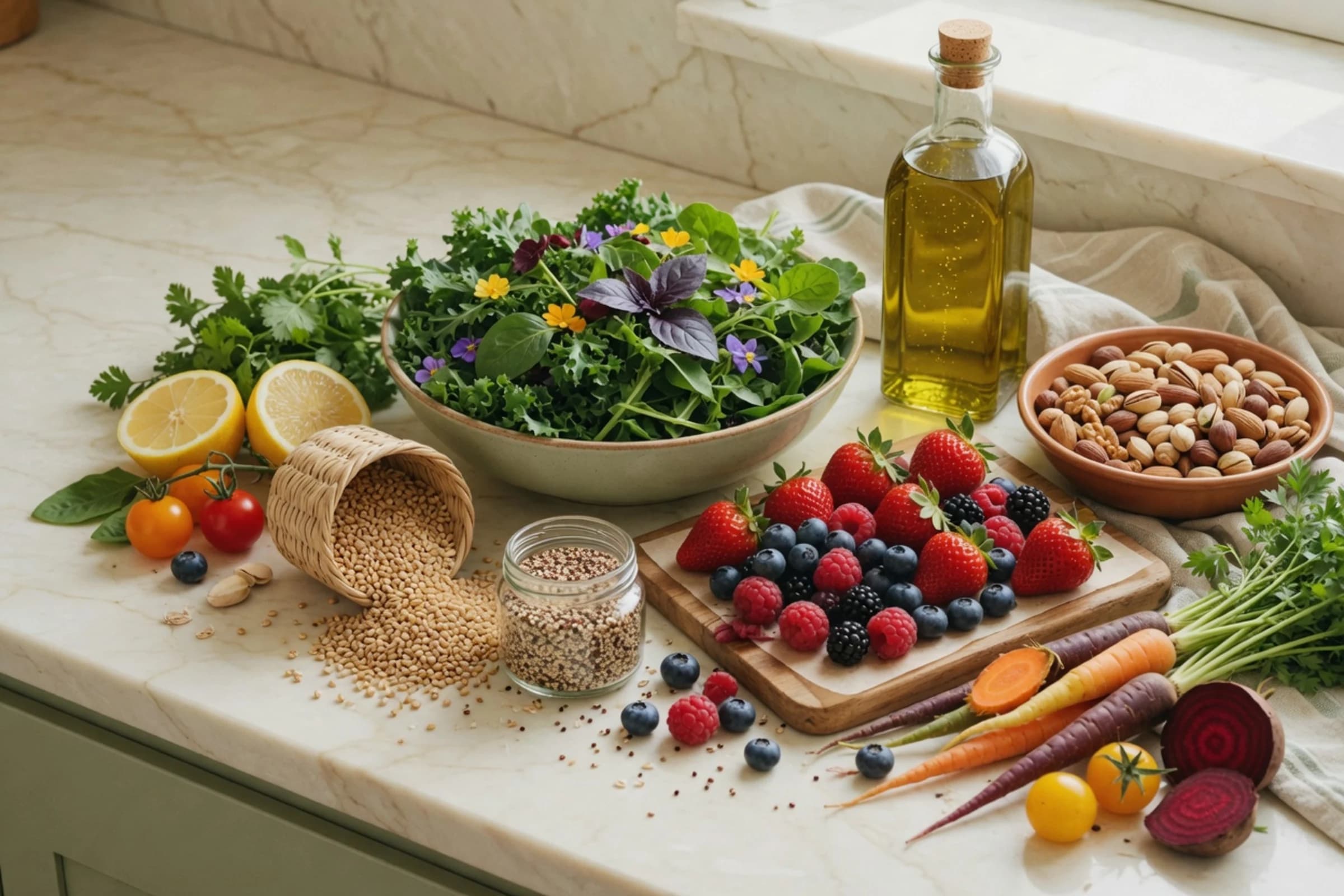
Pair fiber-rich vegetables, protein, and healthy fats with your carbs. This simple combination helps slow the rise in blood sugar and keeps you fuller, longer.
Notice the carb, don’t fear it
Carbohydrates aren’t the enemy. Learning portion and pairing — not elimination — is what keeps energy steady and cravings quiet.
Eat on a gentle rhythm
Regular meals and snacks help prevent the blood-sugar rollercoaster that leaves you tired, foggy, and reaching for quick fixes.
Change one thing at a time
One swap or addition a week — more water, an extra vegetable, protein at breakfast — adds up to lasting change without overwhelm.
You don’t have to eat perfectly. You just have to eat a little more like the person you’re becoming.
Cheri Sacks, RN, CDCES · Certified Diabetes Care & Education Specialist
Where this fits
Part of your whole-person path
Nutrition is one pillar of integrative wellness, and it works hand in hand with gentle movement for steady blood sugar and with meditation for the stress that drives cravings. If you’re living with diabetes, prediabetes, or another condition, condition support coaching puts Cheri’s CDCES expertise to work in a plan built around your labs, your medications, and your real life.
Ready to make food feel simple again?
Tell Cheri a little about what you'd like to feel better about, and she'll reach out to set up a free, no-pressure consultation. No fad diets, no shame — just doable next steps.
The Gentle Nutrition Guide
Food without shame or rigid rules — a free guide to steadier energy and simple, doable changes you can start this week.
Common questions
Diet & nutrition, answered
Answered by Cheri Sacks, RN, CDCES — a Registered Nurse and Certified Diabetes Care & Education Specialist in the San Francisco Bay Area.
Foods rich in fiber, protein, and healthy fats — non-starchy vegetables, beans, nuts, eggs, fish, and whole grains — help slow how quickly blood sugar rises. The bigger secret is pairing: eating carbohydrates alongside protein, fat, or fiber rather than on their own. As a CDCES, Cheri helps Bay Area clients build plates that fit their tastes, budget, and culture, always in coordination with their medical care.
An anti-inflammatory way of eating emphasizes vegetables, fruit, whole grains, beans, nuts, olive oil, and fish, while easing back on ultra-processed foods and added sugar — it’s close to a Mediterranean pattern. Research links it with better heart and metabolic health. For many people it’s worth trying, and Cheri helps you adopt it gradually rather than all at once.
No. Restriction and “forbidden foods” tend to backfire. Cheri’s judgment-free approach focuses on portions, pairings, and frequency, so your favorites still have a place. Small, sustainable adjustments almost always beat an all-or-nothing diet you can’t keep.
A Certified Diabetes Care & Education Specialist (CDCES) is a clinician — often a nurse — with advanced training in helping people manage diabetes day to day, including blood sugar, medications, and lifestyle. A registered dietitian specializes in medical nutrition therapy and can build detailed meal plans. They overlap and often work together. Cheri is an RN and CDCES; she coordinates with your dietitian and doctor rather than replacing them.
Pick one small change and repeat it until it’s automatic — like adding a vegetable to lunch, drinking water before coffee, or including protein at breakfast. One habit at a time is how change actually sticks. Cheri uses this stage-by-stage, behavior-change approach so progress feels doable instead of daunting.
Yes. Steady blood sugar from balanced meals helps prevent the energy crashes and brain fog that come from big spikes and dips, and nutrient-rich, anti-inflammatory eating supports long-term brain and heart health. Food is only one piece — sleep, movement, and stress matter too — but it’s a powerful lever Cheri helps you pull.
From Cheri’s desk
Food & inflammation reading
Anti-inflammatory patterns and low-energy meal ideas.

Diabetes
A Day of Diabetes-Friendly Meals (A Sample, Not a Prescription)
A sample Tuesday using the diabetes plate, not a rigid menu. Ordinary food, ordinary portions. Cheri Sacks, RN, CDCES.
Read
Local
Low-Impact Walks and Nature Near Silicon Valley
Gentle walking near Silicon Valley that you can actually repeat, including after meals. Cheri Sacks, RN, CDCES.
Read
Diabetes
Walking After Meals: A Simple Blood Sugar Tool
Why a 10-minute walk after meals helps blood sugar, what the trials show, and how to do it in a kitchen. Cheri Sacks, RN, CDCES.
Read
Ready for a free chat?